Source modern large capacity coffee dripper for cafes, offices, and homes
Explore 30 listings for the modern large capacity coffee dripper, comparing options made from PC, plastic, and silicone. Buyers can evaluate sizes for 1-4 people, MOQs, and customization features like logos from suppliers in Guangdong, China.
Key considerations
Products List
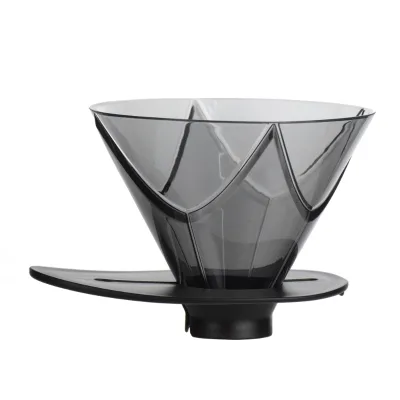
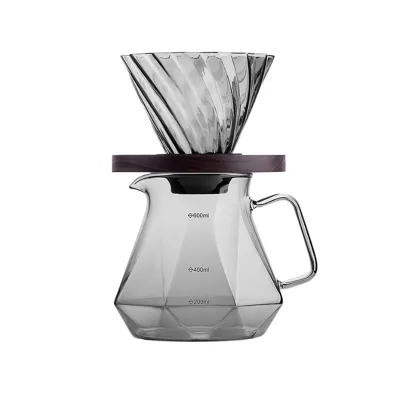
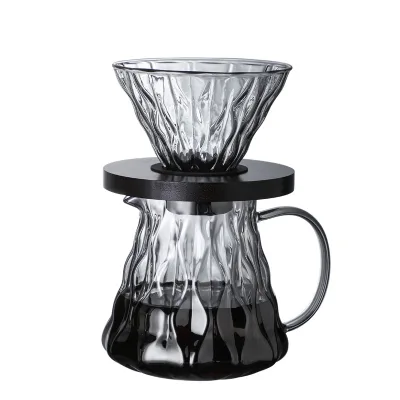
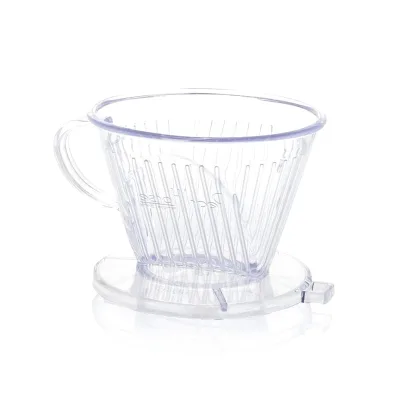
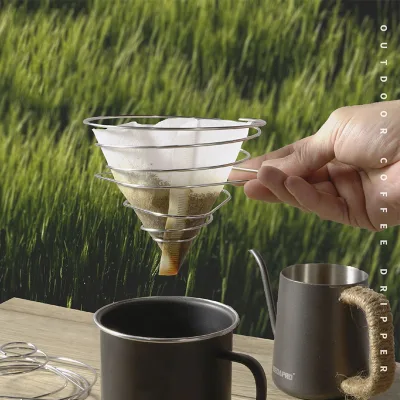
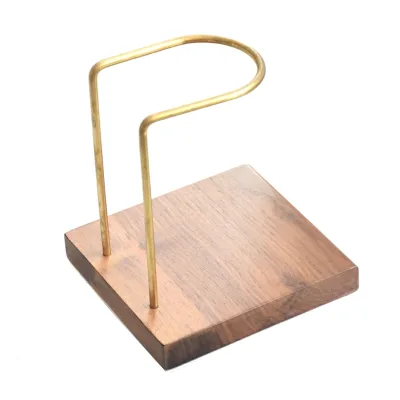
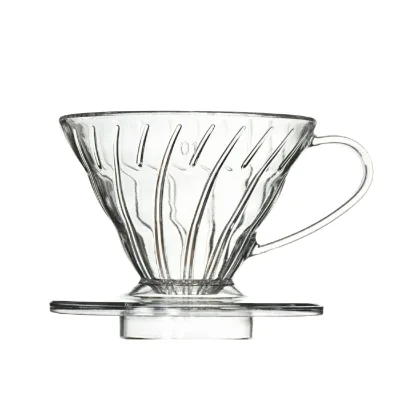


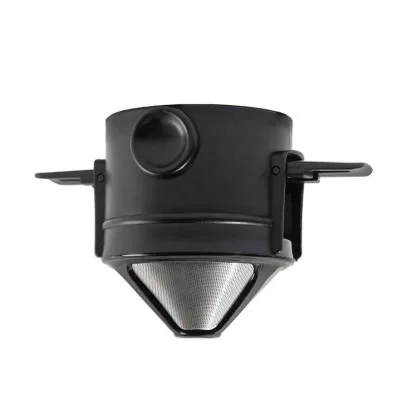


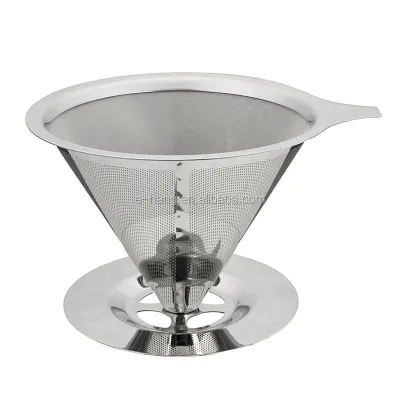
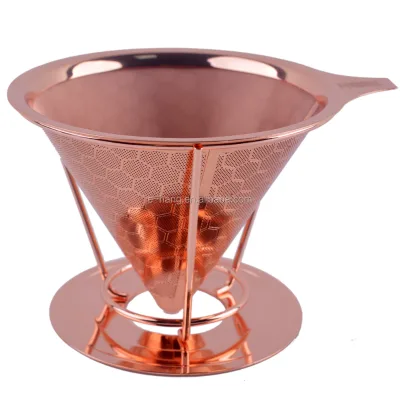
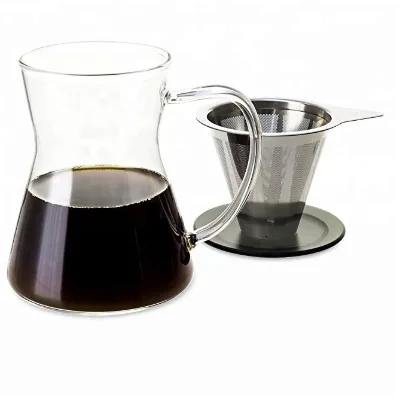


Comprehensive Sourcing Guide
Strategic Sourcing Guide for Modern Large Capacity Coffee Drippers
Understanding Product Variants and Core Specifications
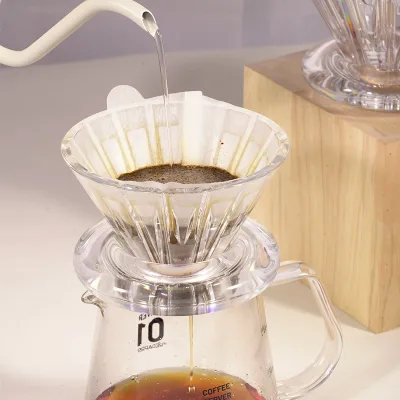
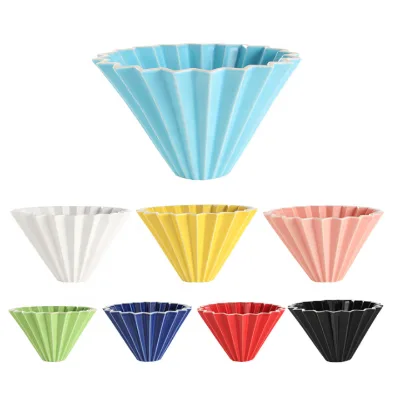
When sourcing a modern large capacity coffee dripper, buyers must first navigate the distinct variations available in the current market, as the term "large capacity" often masks significant differences in design, material, and intended user volume. The product landscape includes rigid plastic options, flexible silicone solutions, and ceramic designs, each serving different operational needs. A primary observation in the current supply base is the prevalence of products designed for specific serving sizes, ranging from single servings to groups of four. For instance, specific listings identify models explicitly sized for 1-2 people, while others are engineered to accommodate 1-4 people, directly influencing the physical dimensions and flow rate of the device.
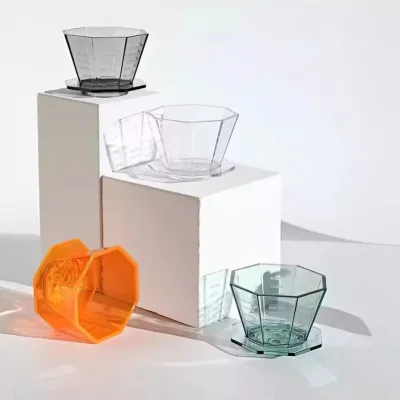
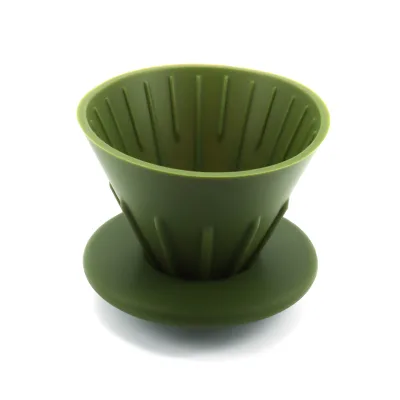
Material composition is a critical differentiator that dictates both the durability and the thermal properties of the dripper. The market features items constructed from Polycarbonate (PC), a durable plastic known for its transparency and strength, alongside silicone variants that offer flexibility and heat resistance. Some listings describe the material simply as "plastic," while others specify "silicone" or "ceramic." The choice between these materials impacts the user experience; PC drippers often feature a transparent aesthetic suitable for modern kitchens, whereas silicone options may come in distinct colorways like green or black, offering a contemporary look that contrasts with the clear aesthetic of plastic models. Furthermore, the shape of the dripper, whether square or other geometric forms, plays a role in the visual integration with modern kitchen decor, aligning with the "Modern" and "Contemporary" style tags frequently associated with these products.
Technical Dimensions and Packaging Logistics
For procurement teams managing logistics, the physical specifications of the product are paramount for calculating shipping costs and warehouse storage requirements. The single package dimensions vary significantly depending on the product type and material. Data indicates that certain PC-based drippers are packaged in boxes with dimensions of 20x20x10 cm, while others, potentially due to different structural reinforcements or included accessories, may require a 20x20x15 cm package. Silicone variants often appear in more compact packaging, such as 15x15x10 cm, which can be beneficial for reducing volumetric weight during international shipping.
Weight is another critical factor in freight cost estimation. The single gross weight for these items can range from 1.0 kg to 2.0 kg, with specific listings noting weights of 1.8 kg for certain PC models and 2.0 kg for others. These variations suggest that the "large capacity" designation does not always correlate linearly with weight, as design density and material thickness play significant roles. Buyers should verify the exact gross weight for their specific order to ensure accurate freight forwarding calculations. Additionally, the packaging method varies; some suppliers utilize standard box packaging, while others employ single-item polyethylene (PE) bags, which may require secondary packaging for retail readiness. Understanding these logistical nuances ensures that the final landed cost reflects the true expense of transporting the goods.
Compliance, Certification, and Quality Verification
In the realm of food-contact products, verifying compliance with safety standards is a non-negotiable step in the sourcing process. While general industry knowledge often references standards such as ISO 9001:2015 for quality management systems, buyers must treat such references as background context rather than guaranteed attributes of every listed product. The supplied data does not confirm specific certification statuses for the individual suppliers or products. Therefore, procurement teams must explicitly request and verify food-grade safety certifications, such as FDA approval or LFGB compliance, which are essential for products intended to handle hot liquids and coffee grounds.
The material safety is particularly crucial when dealing with plastics and silicones. Buyers should demand test reports confirming that the Polycarbonate or Silicone materials are free from harmful substances like BPA, ensuring the product is safe for repeated use with hot beverages. Since the market includes products labeled as "Eco-Friendly," buyers should scrutinize the specific claims associated with this attribute. Does "Eco-Friendly" refer to the recyclability of the PC material, the durability of the silicone, or the manufacturing process? Without concrete data, these terms should be treated as observations requiring validation. Suppliers should be asked to provide documentation proving that their materials meet the specific food safety regulations of the destination market, rather than relying on general marketing claims.
Cost Drivers and Pricing Dynamics
The pricing structure for modern coffee drippers is influenced by several dynamic factors, including material costs, customization levels, and order volume. The observed price range in the market spans from approximately $0.31 to $14.65, a wide disparity that reflects the differences in material quality, brand positioning, and production complexity. A PC dripper with a simple transparent design may fall at the lower end of this spectrum, while a ceramic model with custom branding or a complex silicone design with multiple color options may command a higher price point.
Minimum Order Quantity (MOQ) is another significant driver of unit cost. The market presents a wide range of MOQs, from as low as 2 pieces to as high as 1000 pieces, with specific listings citing 10, 20, or 100 pieces as thresholds. Suppliers offering lower MOQs often charge a premium per unit to cover setup costs for smaller batches, whereas larger orders typically benefit from economies of scale. Buyers must balance their inventory needs against the upfront capital required to meet these thresholds. Additionally, the cost of customization, such as adding a custom logo or selecting specific colors like black or green, will impact the final price. The "OEM" and "ODM" capabilities of suppliers indicate that they can accommodate branding requests, but these services invariably add to the overall cost structure.
Supplier Evaluation and Customization Capabilities
Evaluating potential suppliers requires a focus on their manufacturing capabilities, particularly regarding Original Equipment Manufacturing (OEM) and Original Design Manufacturing (ODM). The data confirms that ODM services are available, meaning suppliers can offer design modifications beyond standard catalog items. This is particularly valuable for buyers seeking unique product differentiation. Furthermore, the willingness to accept OEM requests suggests that suppliers are equipped to handle custom branding, including the application of logos on the product or packaging.
When assessing suppliers, buyers should look for evidence of flexibility in production. The presence of "Sample Available" status is a strong indicator of a supplier's readiness to engage in the prototyping phase. This allows buyers to physically inspect the product for quality, material feel, and functionality before committing to a large order. The ability to produce items in specific colors, such as the transparent, black, or green options observed, demonstrates the supplier's versatility in color matching and production runs. Additionally, the location of the manufacturing base, often cited as Guangdong, China, provides insight into the supply chain ecosystem, as this region is a known hub for plastic and silicone manufacturing. Buyers should verify the specific factory capabilities to ensure they align with the required production volume and quality standards.
Quality Control and Long-Term Procurement Strategy
Implementing a robust quality control (QC) strategy is essential to mitigate risks associated with sourcing from international markets. Given the variation in product attributes, such as the difference in gross weight and package size, buyers should establish clear acceptance criteria based on the specific product model ordered. Visual inspections should focus on the finish of the plastic or silicone, ensuring there are no mold lines, discolorations, or structural weaknesses. For transparent PC models, clarity and the absence of bubbles or scratches are critical quality markers.
Long-term procurement considerations extend beyond the initial purchase to include supply chain stability and after-sales support. Buyers should evaluate the supplier's payment terms, such as the common structure of a 30% deposit followed by a 70% balance payment, to ensure it aligns with their cash flow management. The availability of a "Custom Logo" service implies a long-term partnership potential, where the supplier becomes a strategic partner in brand building. However, buyers must remain vigilant about the consistency of quality across production batches. Regular third-party inspections or on-site audits can help maintain standards. Additionally, understanding the lead times and the supplier's capacity to handle rush orders is vital for maintaining inventory levels and meeting market demand without disruption.
Application Scenarios and Market Fit
The application of modern large capacity coffee drippers extends beyond simple home use into various commercial and retail environments. The "Modern" and "Contemporary" styles observed in the product listings make these items highly suitable for boutique cafes, co-working spaces, and modern residential kitchens where aesthetics are as important as functionality. The capacity variations, catering to 1-2 or 1-4 people, allow buyers to target specific market segments. For instance, a single-serve dripper is ideal for individual households or office breakrooms, while a larger capacity model fits the needs of small families or casual dining settings.
The versatility of the product, with options for both coffee and tea, broadens its market appeal. The "Coffee & Tea Tools" classification indicates that these drippers are designed to handle different brewing methods, making them a versatile addition to a buyer's catalog. The inclusion of specific features like "Eco-Friendly" attributes can also appeal to environmentally conscious consumers, potentially serving as a unique selling proposition in marketing campaigns. By understanding these application scenarios, buyers can tailor their sourcing strategy to match the specific needs of their target customers, ensuring that the products they procure align with current market trends and consumer preferences.
FAQs
What materials are used for modern large capacity coffee drippers?
Modern large capacity coffee drippers are primarily constructed from PC plastic, silicone, or ceramic. PC models offer transparency and durability, while silicone variants provide flexibility and heat resistance. Some listings also specify general plastic or ceramic compositions depending on the specific design and intended use case.
Which capacity sizes are available for these coffee drippers?
Available capacity sizes range from models designed for 1-2 people to larger options accommodating 1-4 people. The specific size depends on the product model, with some listings explicitly stating the intended serving volume to help buyers select the appropriate unit for their needs.
Can suppliers provide custom logos on these coffee drippers?
Yes, suppliers welcome custom logo requests and offer OEM services for branding. Many listings explicitly state that custom logos are accepted, allowing buyers to personalize products with their own brand identity on the dripper or packaging for retail readiness.
How does the MOQ vary for different coffee dripper models?
Minimum Order Quantities vary significantly across listings, ranging from as low as 2 pieces to as high as 1000 pieces. Specific models may have thresholds of 10, 20, or 100 pieces, so buyers must check the specific product requirements to determine the exact order volume needed.
What packaging options are available for these coffee drippers?
Packaging options include standard boxes, single-item polyethylene bags, or carton packages depending on the supplier. Dimensions vary, with some PC models packaged in 20x20x10 cm boxes and silicone variants in 15x15x10 cm bags, affecting shipping costs and storage requirements.
Which styles are offered for modern large capacity coffee drippers?
Stylish options include Modern and Contemporary designs to fit current kitchen aesthetics. These styles often feature geometric shapes like square forms and come in colors such as transparent, black, or green, aligning with the visual preferences of modern consumers and boutique cafes.
Where are these coffee drippers manufactured?
These products are primarily manufactured in Guangdong, China, and other locations within China. This region is a known hub for plastic and silicone manufacturing, providing a robust supply chain for producing these coffee and tea tools efficiently.